

In the world of architecture, utilizing the power of natural light is not just an aesthetic choice; it is key in creating practical, eco-friendly spaces. Daylight analysis has developed as a key practice for modern architects, empowering them to optimize designs while valuing occupant comfort and sustainability. From maximizing the benefits of natural light to reducing reliance on artificial lighting, methods involved in daylight analysis provide a comprehensive approach to boosting building performance.
This article will serve as a complete guide for architects seeking to master daylight analysis techniques. We will examine various aspects, including the differences between daylight factors and spatial daylight autonomy, the significance of daylight analysis in achieving LEED certification, and the benefits of utilizing simulation tools like Radiance and ClimateStudio. Whether planning commercial buildings, healthcare facilities, or residential spaces, comprehending and executing effective daylight analysis can lead to healthier, more productive environments and notable energy savings.
Comprehending Daylight Analysis Techniques
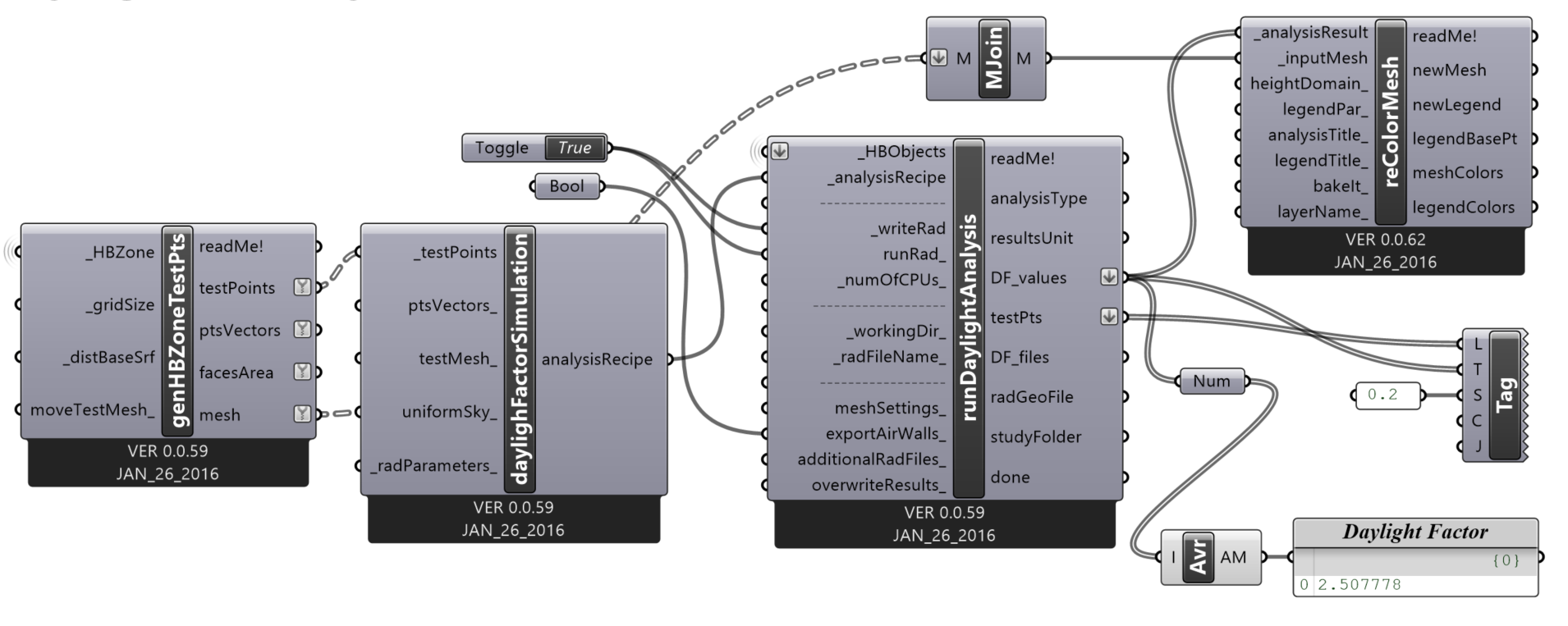
Natural light assessment is a vital process used by architects to analyze how natural light penetrates and interacts with spaces within a building. It includes a variety of techniques and simulations to examine the distribution, intensity, and nature of daylight in architectural designs. By utilizing these methods, architects can create environments that are not only aesthetically pleasing but also sustainable and beneficial to occupant well-being.
One of the fundamental techniques in daylight analysis is the use of natural illumination ratios, which assess the amount of natural light available inside compared to the external light levels. This is important in determining how well a space will leverage daylight, which can substantially impact energy consumption by reducing dependence on artificial lighting. Additionally, floor area daylight sufficiency evaluates the percentage of the floor area receiving sufficient daylight, providing clarity into the success of design strategies in maximizing natural light exposure during different moments of the day and year.
With advancements in technology, various tools have emerged to boost the accuracy of daylight analysis. Software like SunCalc, ClimateStudio, and LightInsight allows architects to simulate daylighting conditions under different scenarios, incorporating factors such as site conditions, seasonality, and building orientation. These tools permit a deeper comprehension of how light enters a space, allowing design decisions that enhance both visual attractiveness and energy efficiency. As architects more and more recognize the importance of daylight analysis, these techniques become integral in shaping sustainable designs that encourage healthy, effective environments.
Improving Energy Conservation and Comfort
Light analysis holds a key role in boosting energy efficiency in commercial buildings by optimizing the use of natural light while lessening reliance on artificial lighting. By carefully evaluating how light enters a room throughout the day, architects can develop architectural solutions that utilize daylight to reduce energy consumption. Daylight Analysis Nailsea Somerset allows buildings to attain optimal illumination levels, ensuring that occupants have access to bright, inviting environments without the need for excess artificial lighting, ultimately resulting in diminished energy bills and a lowered carbon footprint.
Furthermore, the relationship between natural light and occupant comfort cannot be ignored. Daylight analysis helps spot and mitigate issues such as glare and uneven lighting, ensuring that spaces both look good but also seem good to inhabit. By analyzing daylight distribution and introducing solutions like adjustable shading devices, architects can establish comfortable environments that promote focus, productivity, and overall well-being. This relationship between effective daylighting and comfort underscores the value of integrating daylight analysis into the design process.
As designs become increasingly oriented on energy efficiency and occupant satisfaction, the role of daylight analysis continues to expand. By utilizing advanced modeling techniques that factor in elements such as thermal performance and emotional response to lighting, architects can develop spaces that foster health and productivity. Ultimately, an effective daylight analysis does not just enhance aesthetic appeal but also creates resilient, sustainable buildings that positively impact the environment and the quality of life for their occupants.
Tools and Methods for Successful Daylight Analysis
Effective daylight analysis relies on a combination of advanced software tools and strategic methodologies. Leading Daylight Analysis Wells Somerset like Radiance, ClimateStudio, and Insight offer architects with the capability to simulate natural light conditions in diverse environments. Each tool has its strengths; for instance, Radiance is known for its photorealistic rendering, while ClimateStudio integrates seamlessly with BIM workflows. By leveraging these tools, architects can conduct accurate simulations that inform the design process and optimize natural lighting.
In parallel to software, understanding important daylight metrics is vital. Concepts such as daylight factor and spatial daylight autonomy (sDA) aid measure how much natural light enters a space, facilitating comparisons that guide design decisions. Employing climate-based daylight modeling (CBDM) can yield enhanced insights into visual comfort and energy efficiency, as it evaluates performance across various seasons and weather conditions. This strategic approach guarantees that designs not only meet aesthetic goals but also perform well throughout the year.
Moreover, integrating daylight analysis early in the design process is essential. By assessing lighting conditions during the conceptual phase, architects can make well-informed decisions regarding building orientation, window-to-wall ratios, and shading devices. This proactive approach reduces costly adjustments later in development, enhancing both sustainability and occupant comfort. Focusing on collaboration among design teams can further refine the focus on daylighting strategies, ensuring a cohesive integration of natural light into architectural solutions.